
Choosing the right dental crown or replacement tooth is an important decision. Today, many dentists across India recommend zirconia teeth because they offer a rare balance of strength, comfort, and natural appearance.
This guide answers the most common questions Indian patients ask about zirconia, based on everyday dental practice and current clinical research.
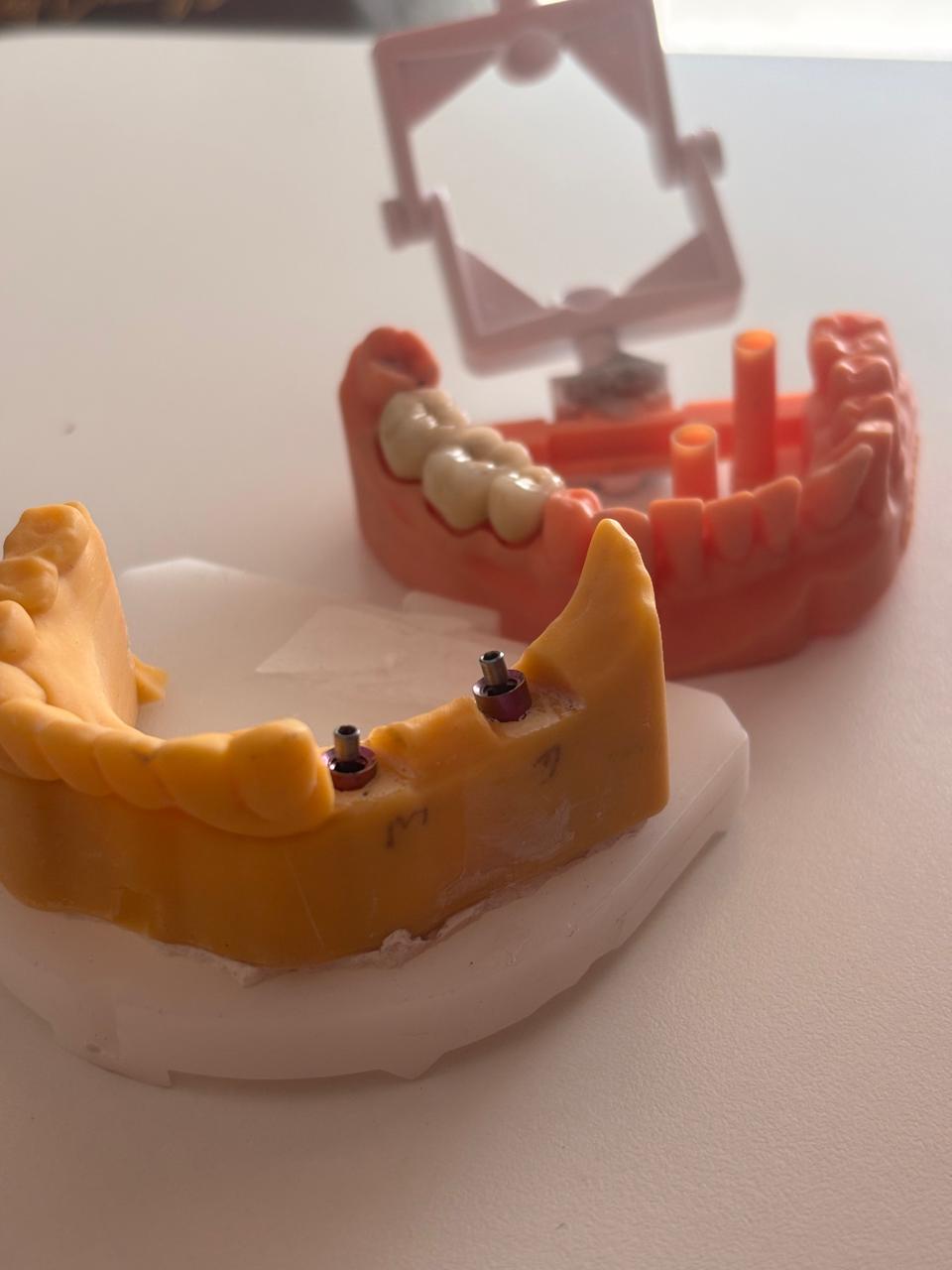
What Are Zirconia Teeth?
Zirconia teeth are dental restorations made from zirconium dioxide, a high-strength ceramic material. They are commonly used for:
- Dental crowns (caps)
- Bridges to replace missing teeth
- Implant-supported teeth
- Full-mouth and full-arch restorations
Zirconia is metal-free, tooth-coloured, and designed to function like natural teeth.
Why Are Zirconia Teeth Popular in India?
Indian patients often require dental restorations that can handle:
- Strong chewing forces
- Daily consumption of rotis, rice, vegetables, and non-vegetarian foods
- Long-term use with minimal maintenance
- High expectations for appearance and comfort
Zirconia meets these needs better than many older dental materials.
Clinical Strength
Clinical studies show zirconia has a flexural strength of 900–1200 MPa, making it one of the strongest materials used in modern dentistry.
How Long Do Zirconia Teeth Last?
This is one of the most frequently asked questions.
Based on long-term research:
- Zirconia crowns show 95–98% success after 5 years
- More than 90% continue to function well after 10 years
With good oral hygiene and regular dental check-ups, zirconia teeth can last 15 years or longer.
Are Zirconia Teeth Better Than Metal Caps?
In many cases, yes.
Compared to traditional metal or metal-ceramic crowns, zirconia offers:
- No black line near the gums
- No metallic taste
- Better gum health
- A more natural tooth-like appearance
- Comparable or superior long-term strength
This is why many patients now choose zirconia when replacing old metal caps.
Do Zirconia Teeth Look Natural?
Modern zirconia is designed to closely match natural teeth.
Today's zirconia restorations:
- Come in multiple shades suitable for Indian tooth colour and skin tones
- Have improved translucency for a natural look
- Avoid the artificial "over-white" appearance
Aesthetic Excellence
Studies report that over 95% of zirconia crowns achieve excellent colour match, often outperforming traditional metal-ceramic crowns.
Are Zirconia Teeth Strong Enough for Indian Food?
Yes. Zirconia is particularly suitable for back teeth and heavy chewing areas.
It can comfortably handle:
- Rotis and rice
- Hard vegetables
- Non-vegetarian food
- Normal daily chewing forces
For patients who grind their teeth, additional protection such as night guards may be advised.
Are Zirconia Teeth Safe for Gums and Overall Health?
Zirconia is considered one of the most biocompatible dental materials available.
It is:
- Metal-free
- Allergy-free
- Gentle on gums
- Associated with low plaque accumulation
This makes zirconia suitable for both young adults and senior citizens.
Do Zirconia Teeth Damage Opposite Natural Teeth?
When properly polished and adjusted, zirconia is smooth and gentle.
Clinical evidence shows that well-finished zirconia does not cause excessive wear on opposing natural teeth. The final outcome depends on proper clinical technique and bite adjustment.
Can Zirconia Be Used on Dental Implants?
Yes. Zirconia is widely used for implant-supported crowns and bridges.
Long-term studies report approximately 97% survival at 10 years for zirconia restorations placed on dental implants.
This makes zirconia a reliable option for:
- Single missing teeth
- Multiple implant bridges
- Full-mouth implant rehabilitation
Are Zirconia Teeth Resistant to Stains?
Yes. Zirconia has a dense, smooth surface that resists staining.
Compared to natural teeth, zirconia absorbs:
- Less tea stain
- Less coffee stain
- Minimal food discoloration
This is especially beneficial for Indian dietary habits.
Are Zirconia Teeth Suitable for Senior Citizens?
Absolutely.
Zirconia is commonly recommended for elderly patients because it is:
- Strong and stable
- Fixed in place (not removable like dentures)
- Easy to clean
- Comfortable for long-term use
It is often used in full-mouth and implant-supported restorations for seniors.
Is Zirconia Expensive in India?
Zirconia may have a higher initial cost compared to metal caps.
However, many patients find it cost-effective over time because:
- It lasts longer
- It fractures less often
- It requires fewer replacements
In the long run, zirconia often provides better value.
Is Zirconia Really Metal-Free?
Yes. Zirconia used in dentistry is not a metal.
Dental zirconia is made from zirconium dioxide (ZrO₂). Even though the name sounds metallic, zirconia is actually a ceramic, similar in category to porcelain or glass, but far stronger.
Understanding the Chemistry
A simple analogy: Sodium is a metal. Chlorine is poisonous. Combine them → table salt (not metal, not poisonous). Same logic here. Zirconia behaves as a ceramic, not a metal.
What this means for patients:
- No metal inside the tooth
- No black or grey line near the gums
- No metallic taste
- Safe for people with metal allergies
What Actually Gives Zirconia Its Strength?
Zirconia's strength comes from a unique property called transformation toughening.
1. Special Crystal Structure
Zirconia has a tightly packed crystal structure that resists cracks.
2. Stress-Responsive Behavior
When biting force is applied, zirconia changes its internal structure slightly at the point of stress.
That change:
- Stops cracks from spreading
- Prevents fractures
- Makes the material tougher under pressure
In simple words: Zirconia gets stronger exactly where the stress occurs.
How Strong Is Zirconia Compared to Other Dental Materials?
Here's a practical comparison:
- Natural tooth enamel: ~300 MPa
- Traditional porcelain: ~60–150 MPa
- Metal-ceramic crowns: ~400–600 MPa
- Zirconia: 900–1200 MPa
This is why zirconia is commonly used for:
- Back teeth (molars)
- Bridges
- Implant crowns
- Full-mouth restorations
If It's So Strong, Is It Safe in the Mouth?
Yes.
Zirconia is:
- Biocompatible
- Non-toxic
- Stable in saliva
- Resistant to corrosion
- Gentle on gums
That's why it's also used in hip joints and medical implants, not just dentistry.
Does Being Metal-Free Make Zirconia Weaker?
No. In fact, it's the opposite.
Older ceramic teeth were weak because they lacked internal reinforcement. Zirconia doesn't rely on metal for strength. Its strength is built into the material itself.
That's why modern dentistry shifted away from metal-based crowns toward zirconia.
Final Thoughts
Zirconia teeth are not just a cosmetic choice. They are a clinically proven, long-term solution designed for strength, comfort, and natural appearance.
The success of zirconia treatment depends on:
- Accurate diagnosis
- Proper planning and design
- Skilled clinical execution
- Regular follow-up care
Expert Consultation
If you are considering zirconia teeth and would like personalised advice, consult Dr. S.J. Govindaraj, Senior Dentist and Implantologist at Crown Dental Care, Bengaluru.
At Crown Dental Care, zirconia treatments are planned using:
- Detailed clinical evaluation
- Digital diagnostics where required
- A patient-first, conservative approach
This ensures restorations that are functional, aesthetic, and long-lasting.
The Bottom Line (For Patients)
- Yes, zirconia is truly metal-free
- It is a ceramic, not a metal
- Its strength comes from its unique crystal structure
- It resists cracking better than most dental materials
- That's why dentists trust it for long-term restorations
If a dentist recommends zirconia, it's not for trend value. It's because zirconia solves real problems of strength, appearance, and durability.